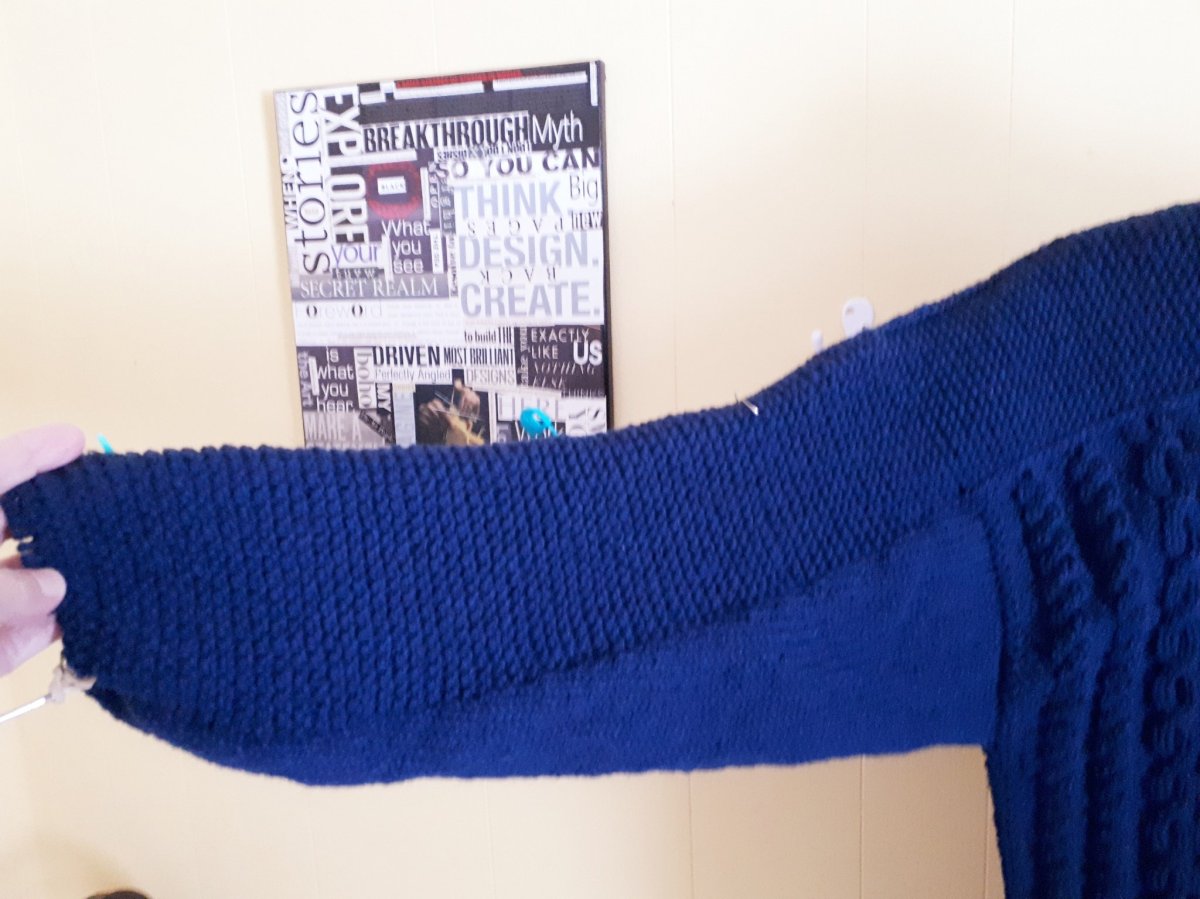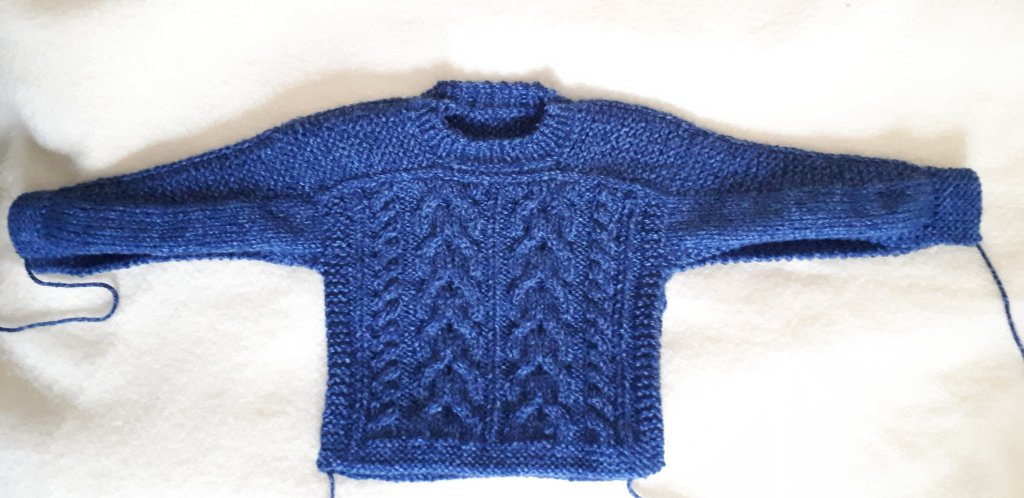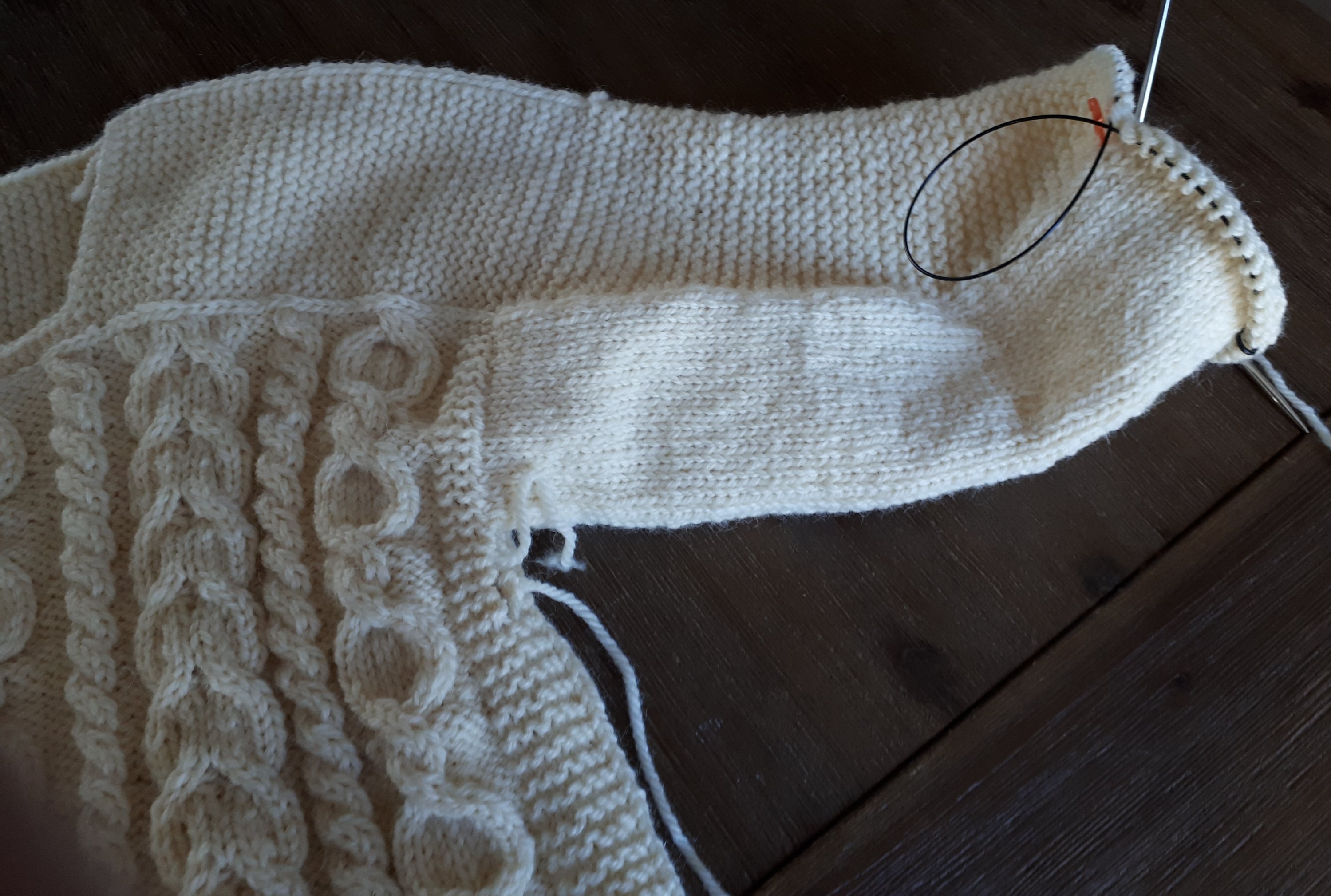
Contiguous Drop

My next fingering weight pullover has been started and it’s going to take quite a long time to finish but I’m happy with it so far.
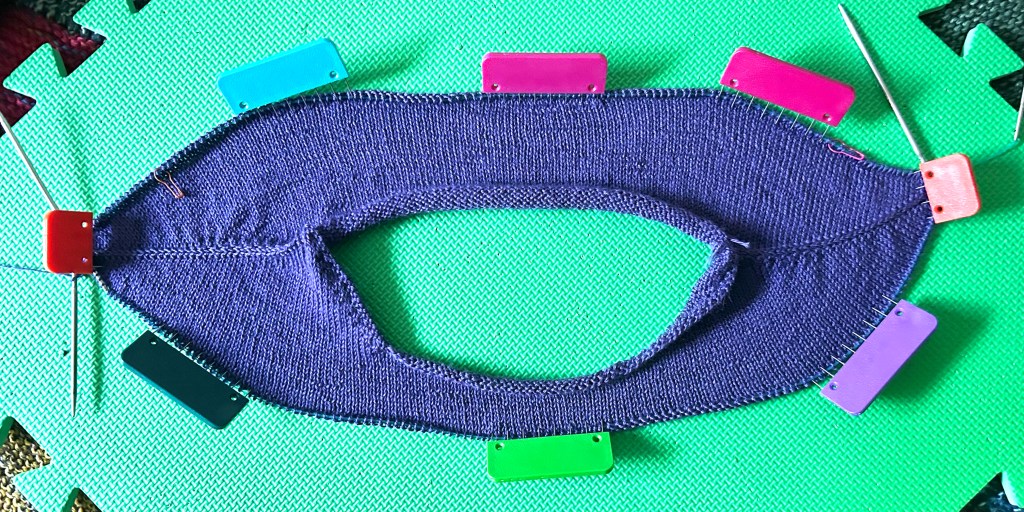
This pattern, Contiguous Drop Shoulder,
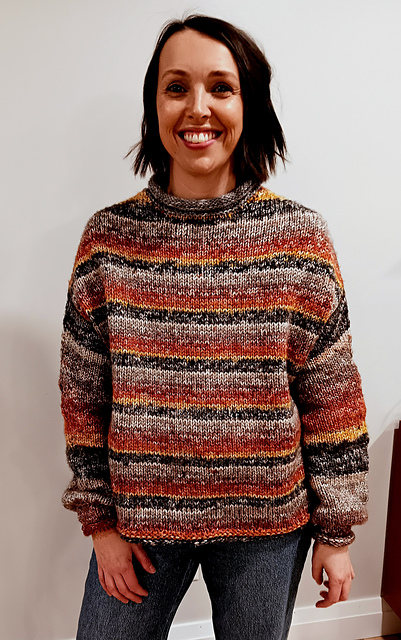
Contiguous Drop Shoulder

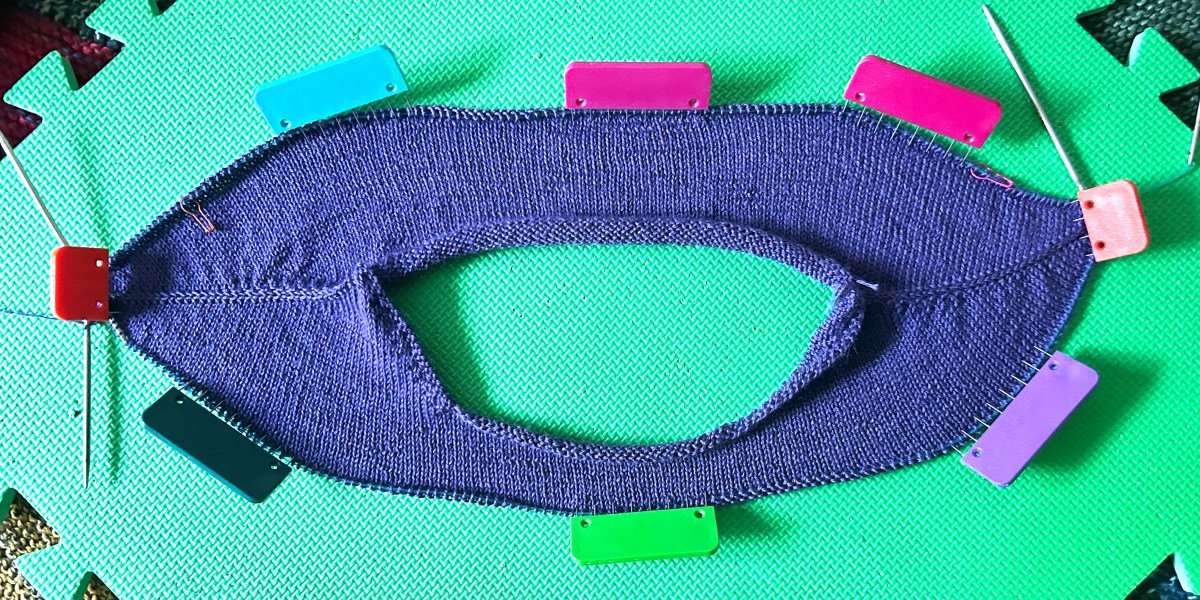
begins with the neckband but I’m working a colourwork pattern on this version and will use one of the colours for the neckband. I haven’t decided which colour yet so I just cast on the number of stitches, purled one round, and did the short rows against the cast on round.

Have you tried a contiguous sweater? This is an amazing way to make a drop shoulder sweater. In the contiguous method 2 increases are worked at each shoulder, every round. It is really easy to work.
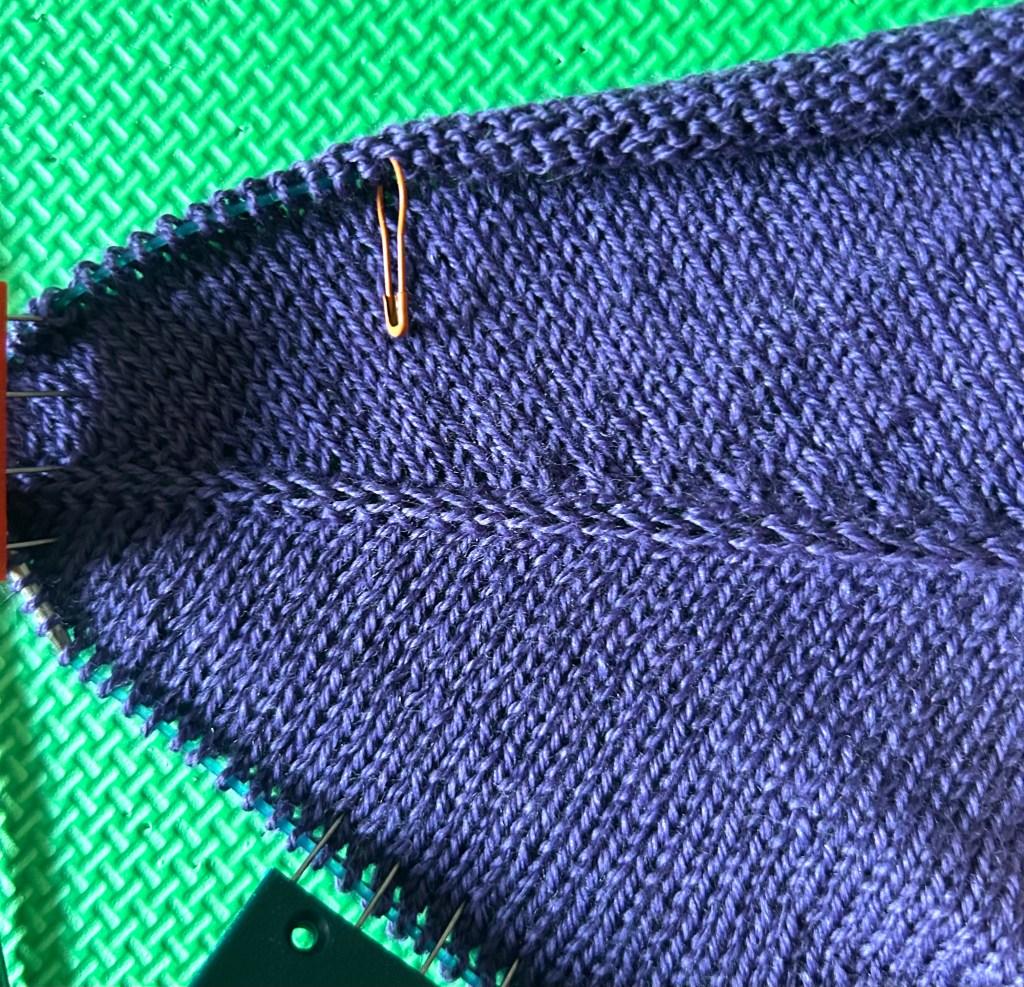
The short rows are worked right away to lower the front. They are worked back and forth, knit right side turn, work across the wrong side turn. This is a system of short rows that I unvented (as Elizabeth Zimmermann would say) many years ago and have used it over and over again. The short rows are simple and worked after working a neckband. They usually butt up against a ribbed neckband. In this case, they are butting up against my cast on and one round of purling.
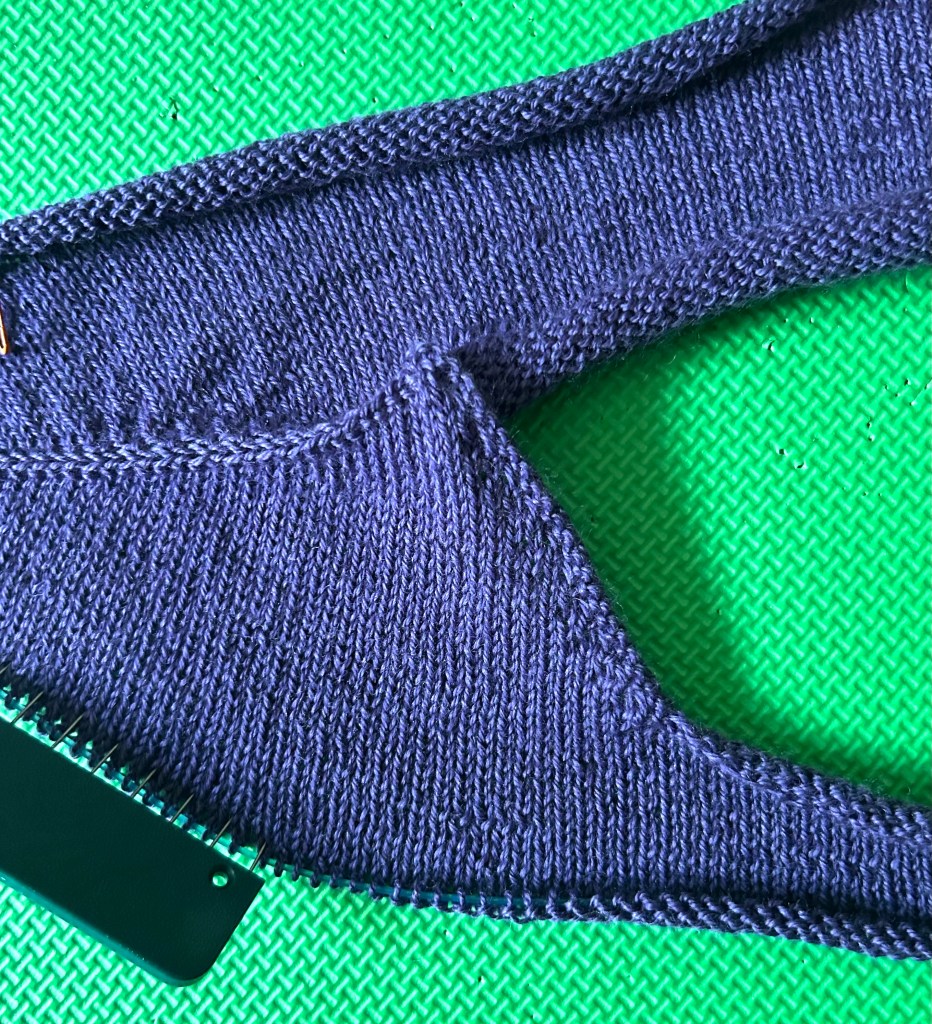
These short rows make a nice angle to drop the front of neck.

I am working in the purple (Shelridge yarn, 80/20 fingering – iris) until I have the width I want. I am going to have 8″ of ease, not as big as the sweater in the pattern photo which had 10″ of ease, but this is in much finer wool. That’s around 169 sts across the back, at my gauge, and considering my 12 st colourwork pattern repeat. I have put markers on either side of the centre 100 sts on the back so I don’t have to keep counting across them all every time.
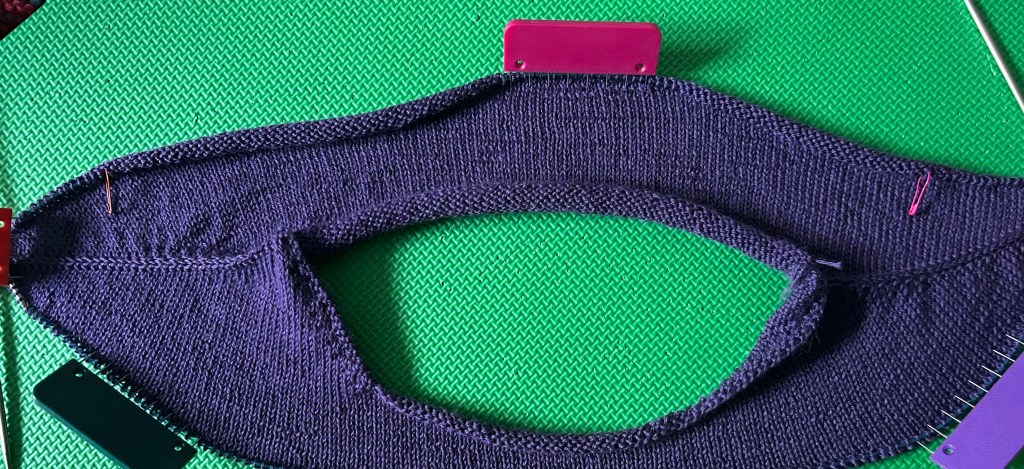
Not toooo much more to do.

Here is a video of how the short rows work.

Cheers and happy knitting, Deb

Gauge-Free and Any Gauge patterns by Deb

Cabin Fever patterns by Deb & Lyn and the cabinfever crew

Deb.gemmell on instagram

Debgemmell435 on youtube
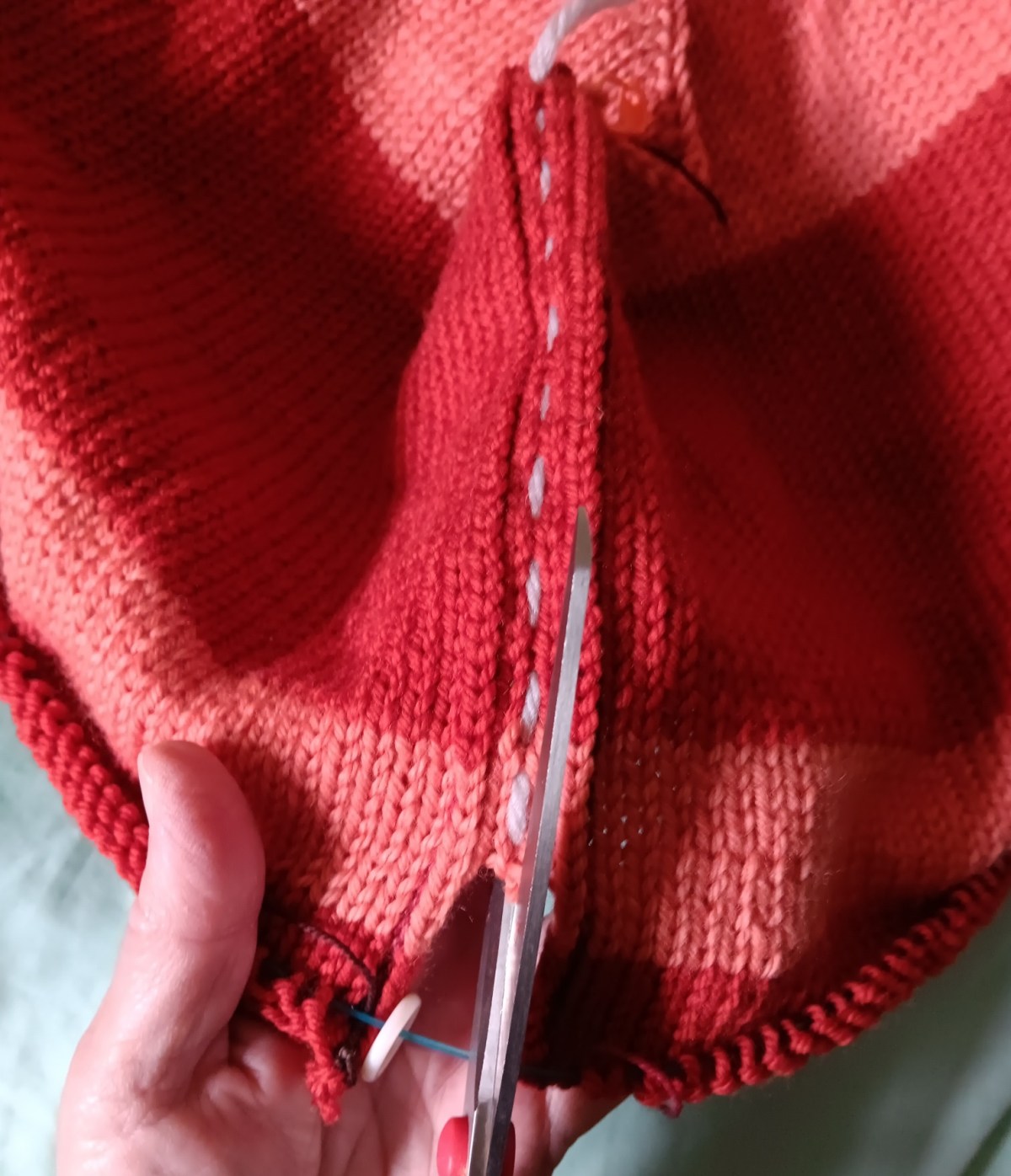
The Steek, the scissors are out

You don’t have to look if you don’t want to. There will be cutting.
I have used a sewing machine to secure the edges of the steek pathway before but … you knew this was coming, my machine is not out and I’m being lazy and leaving it in the cupboard for now. I really want to see if the crocheted style of steek would work. So here goes. I have knit to the bottom of the armhole depth and cast off the 5 steek pathway stitches.

Now the edges of the steek pathway need to be secured. I used this crochet method. Jessica MacDonald does such a good job of describing and showing how to do this. How to work a crochet steek reinforcement video.

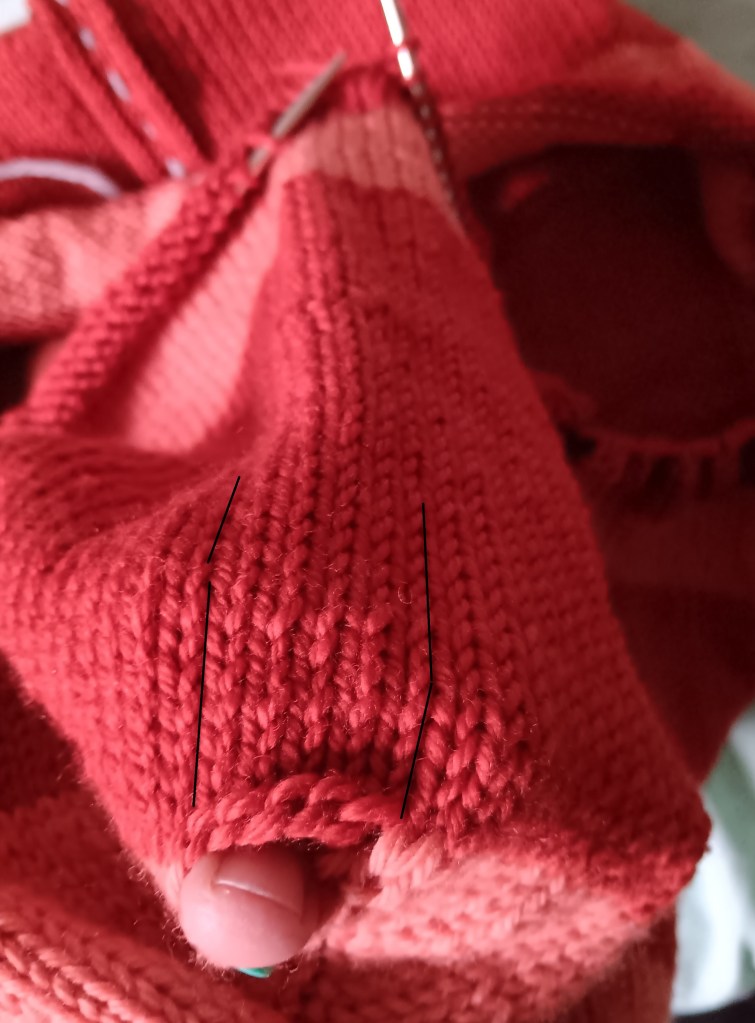
Here we go. This is my 5-stitch steek pathway as seen at the shoulder.

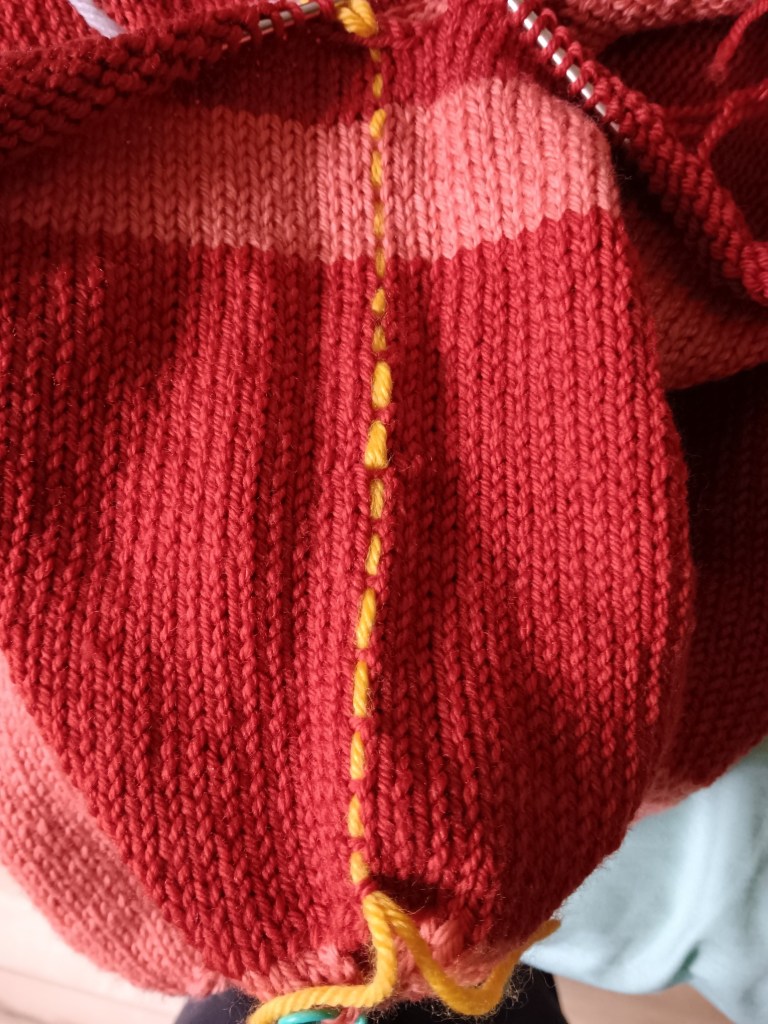
Next, baste down the centre of stitch#3.

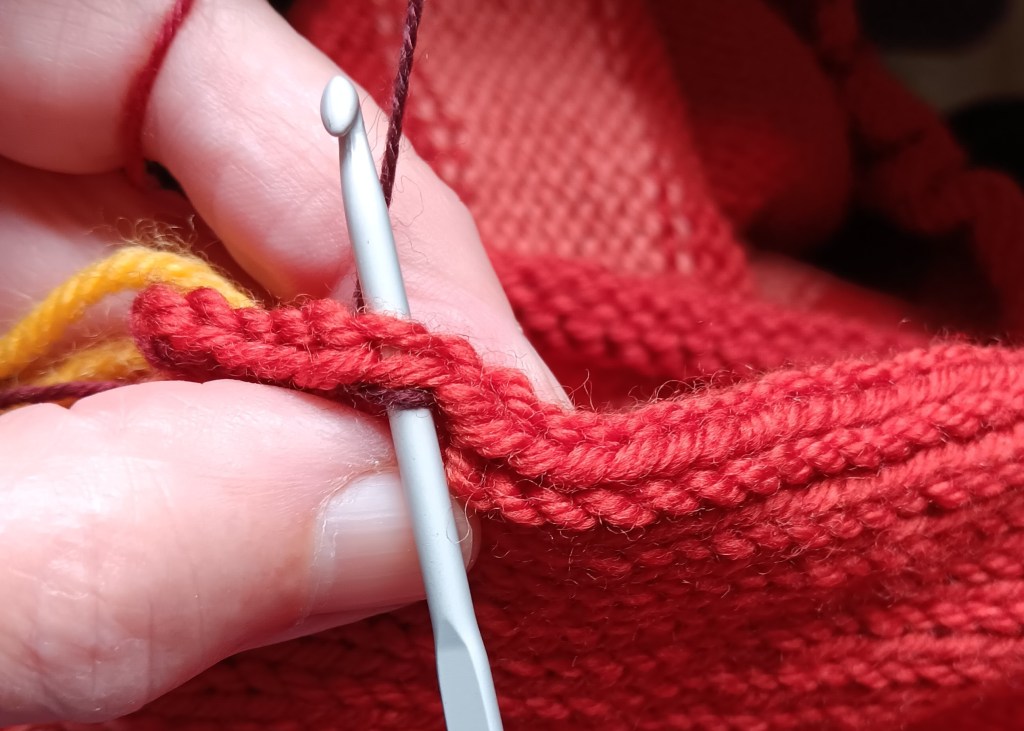
Starting at the shoulder, I crocheted into the left leg of stitch#1 and the right leg of stitch#2, using a crochet slip stitch.

I used a crochet hook 2 sizes smaller than my body-sized knitting needle, and for this worsted weight sweater, sock yarn. My crocheting was not elegant. It was awkward and rather slow going but the result is surprisingly tight. I have no worries about it coming apart.

My best tip is to fold the fabric so the stitch line you are crocheting is on the top.

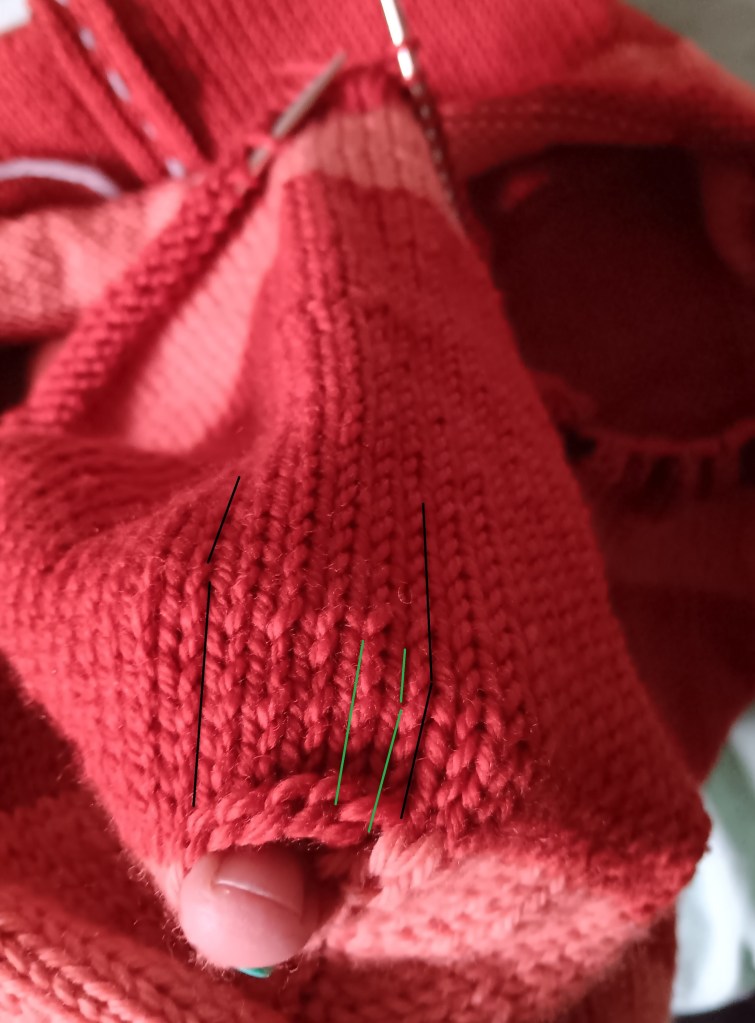
Next go to the bottom of the steek and work again with one leg of stitch#4 and stitch#5.

Here is the steek with both crochet reinforcements done.

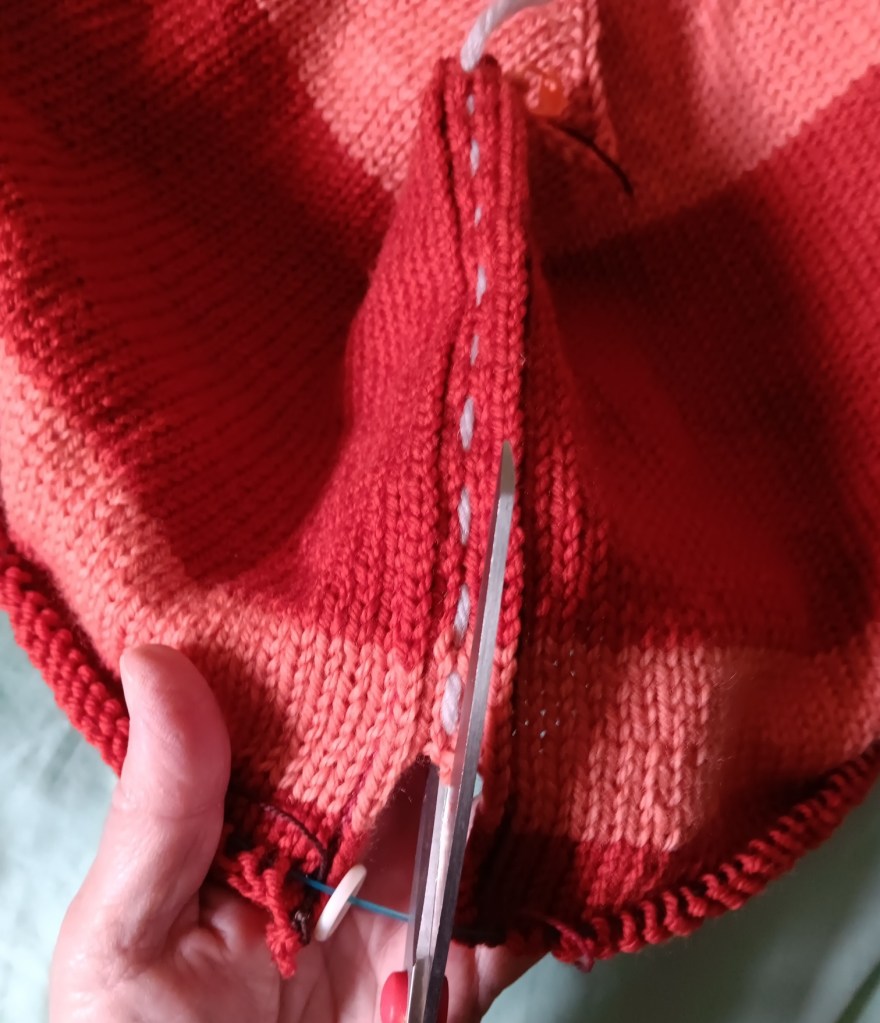
OK, here we go. Scissors out. Cut up the centre of stitch#3.

Ta, da. That wasn’t too painful. The wrong side is ok too.

I’m starting my new colour and then I’m going to pick up for my sleeves. Can’t wait.

Cheers, Deb

Any Gauge and Gauge-Free knitting patterns by Deb

deb.gemmell on instagram

Contiguous Drop Shoulder, The Beginning

I can’t sit still for long. I have another sweater to knit. This time I’m going to redo one that I have tried before but not to my total satisfaction.

This is a over-sized drop shoulder with contiguous shoulders. You can see the slope that the contiguous line creates. The great thing is that once the V-neck is completed it’s knit round and round, not flat for the back and flat for the front.

So I tried again and thought I had figured out an easier way to get it started.

The neckband done. This is going to be a crewneck worked with short rows to drop the front.

Then I tried out a new idea. You can see that the slope coming down the shoulder is w-a-y too steep. The second slope is much better. So that’s good information. Also the amount of drop in the crewneck was too much.

So that got ripped back to the neckband. No problem, no tears, it’s just part of the deal.

I started again with a shallower crewneck drop and the flatter shoulder slope.

Now I’m off to the races. Just knit round and round until I reach the width I want it to be. How easy is that!

Let me tell you a little about it.

I’m going to offer the recipe for this pullover for free. Once I have my short rows tested I will post it and update it as we go along. This is an Any Gauge pattern. I’m knitting one in chunky weight and a second one in worsted weight. I will be figuring it out as I go along. Do you want to knit along with me?

Cheers, Deb

Any Gauge and Gauge-free patterns by Deb

Deb.gemmell on instagram

Done

Gauge-free and Any Gauge patterns by Deb

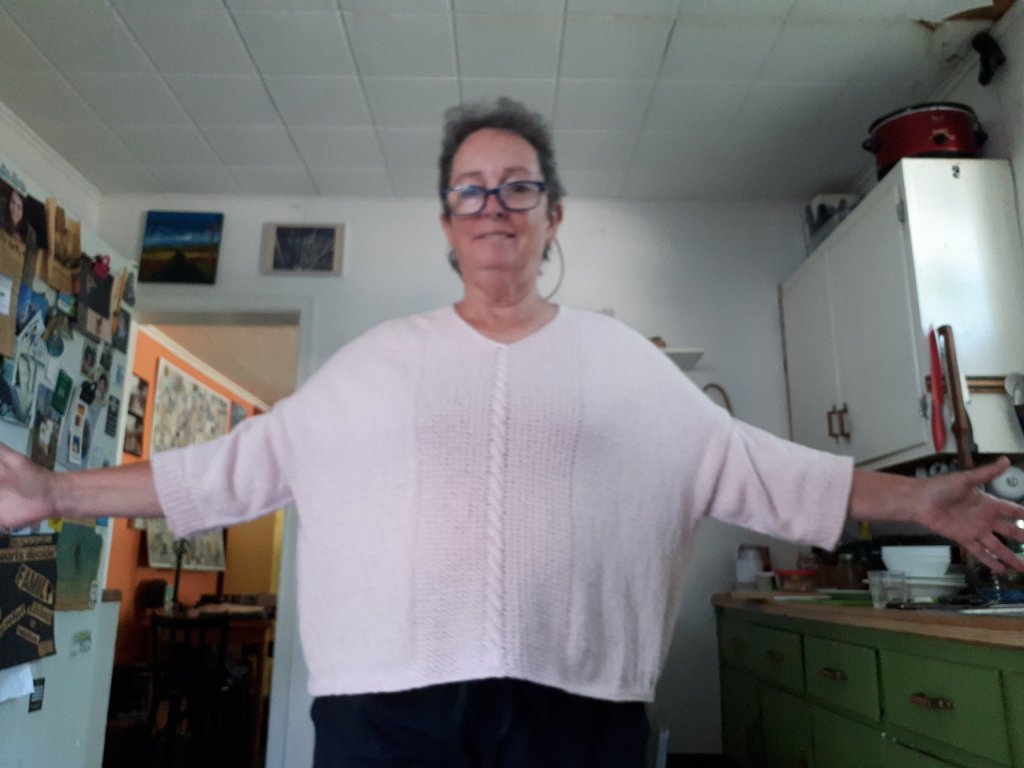
Yes, it’s done!

Am I happy? Yes.

What do I think about my first boxy style pullover?

It’s comfy to wear. Fourteen inches of ease might have something to do with that.

It was a lot of knitting. I was amazed when I weighed it and it only weighed 400g. It felt like it should have been more than that. The yarn is a cotton/linen blend by Sugar Bush called Cabot.

I really like the 3/4 length sleeves. Actually, what I really loved was that the sleeves where so nice and short, LOL. Maybe you can relate?

I would change a couple of things next time.

I would slope the sleeves to match the shoulder line.

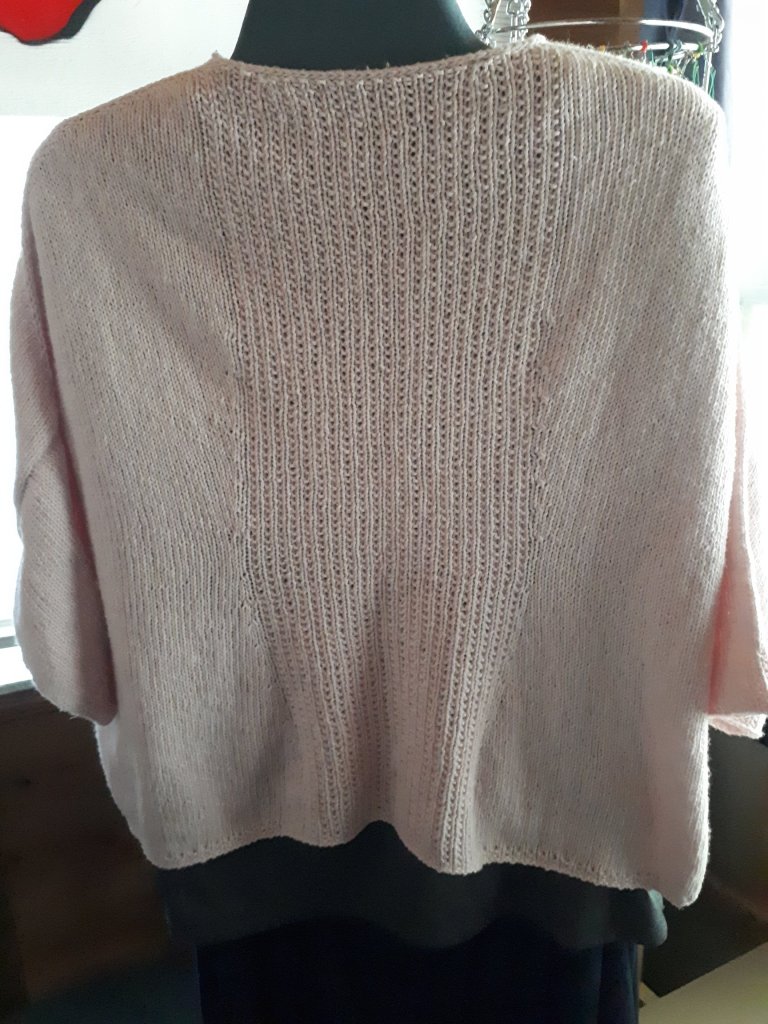
I worked shaping on either side of the back panel. I like it.

Next time I would work the decreases and increases inside the pattern itself. Then the panel would have an hourglass shape. I feel like the back on these sweaters needs a little distraction from all that stockinette fabric.

I’m happy with my experiment. Will I knit another one? Maybe.

Cheers, Deb

Gauge-free and Any Gauge patterns by Deb :

Deb.gemmell on Instagram

Summer knitting

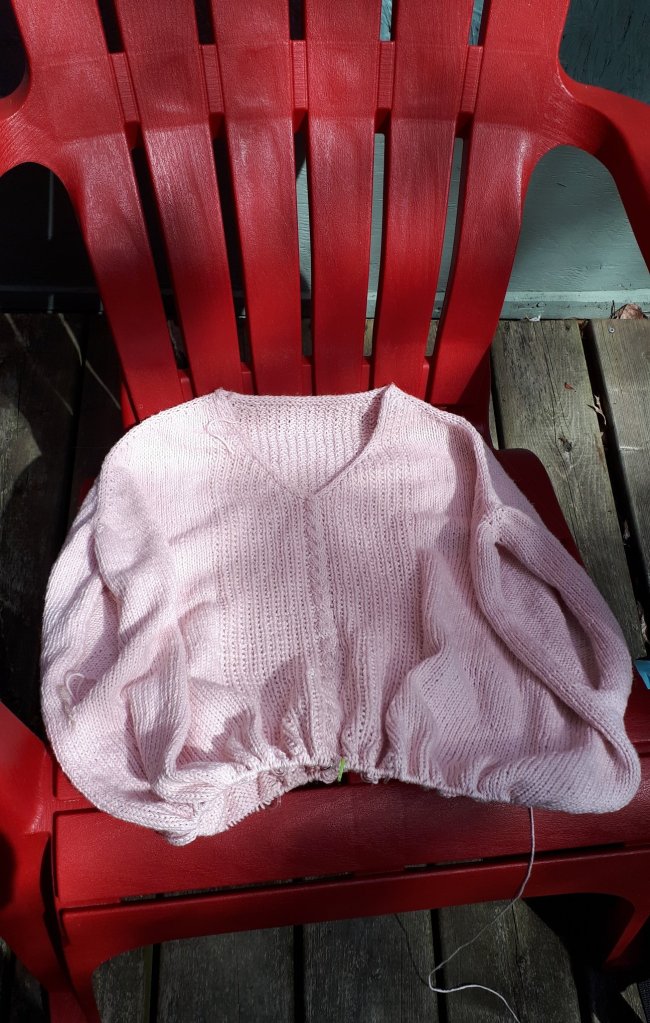
I hope you are doing some summertime knitting. I am almost finished my third skein of cotton.

Hmm, it looks like it must be more yarn than that, doesn’t it? Maybe it’s the end of the 4th skein. It might have been an idea to take note of how much I had when I started. Notes?! Ha.

That’s the last of the pink, unfortunately. I’m still stash busting and using what I have on hand. I have one skein of gray to finish. So that’s next.

I’m knitting up the pink as fast as I can. I really want to pick up around my sleeves. I’m going to do some sort of short gray sleeve. Yarn is running out. Yikes.

What is your summer project?

Cheers, Deb

Gauge-free and Any Gauge patterns by Deb on ravelry.

Looking back from the Finish Line

I finished my last Saddle Up pullover. I started with this design idea as a pullover for my son. It has a complicated 32 row centre cable pattern that I thought reflected his passion for skateboarding.

My son likes it.

Caught him at work to get some photos. I think it fits very well.

I had to do some ripping after the first fitting. The back was flapping around his hips. This seems to be a problem with oversized pullovers for men. So I took out the garter border at the back, worked 3 sets of short rows, went down a needle size and knit the border again. Now it’s narrower and voila …

I think that fixed it. Yay.

Now onto something new I think. Cheers, Deb

Any Gauge and Gauge-Free patterns by Deb

Near the finish line

I thought the sleeves on this Saddle Up were quite long already and only needed a 3″ cuff to finish them off.

After I had my son try it on I was proved wrong. I need to add 2 more inches to the sleeve length and then do the 3″ cuff. Phew, good thing I checked.

One cuff is done in sideways garter stitch.

The second one is really close to finished.

The best way I know of to get one project to the finish line is to start looking around for a new project. Unfortunately that’s as far as I’ve gotten, just looking. I can’t seem to settle solidly on anything. I’ve been scrolling through my library on ravelry.com to see if something would catch my eye but nothing yet. I started this striped cardigan but I’m not feeling the love right now.

So I’m knitting toe-up socks. There is always someone who could use another pair of socks, right?

I do want to make the striped cardigan. The pattern is mostly written but now doesn’t seem to be the moment. Its time will come I’m sure.

I hope your knitting is bringing you some comfort. Cheers, Deb

Any Gauge and Gauge-Free patterns by Deb

Sleeve Length for Drop Shoulder

I need to finish the last Saddle Up pullover. I’m so close but I now know that I’m missing some important information. How long should the sleeves be? I have his sleeve measurement for a raglan but a drop shoulder length is different.

Using my best guess, I knit the sleeves to just above the cuff. They look too long to me. I need to do a fitting before I work the cuffs. Yesterday I dumped the pullover in the sink and laid it out to dry. The cables have relaxed nicely.

What I should have done at the beginning was measure him from the centre back of neck to his wrist. That’s a really good way to get the sleeve measurement for a drop shoulder.

These are the measurements I have for average adults for centre back of neck to wrist.

Women: centre back of neck to wrist

Petite; Regular; Tall
29”/74cm; 30”/76cm; 31”/79cm


Men: centre back of neck to wrist

Short; Regular; Tall
30”/76cm; 31.5”/80cm; 32.5”/83cm

After blocking I measured his sweater from the centre back of neck to the end of the sleeve (sans cuff) and I get 29″/74cm. I think he’s a regular size so I may be in the ball park after all. A 3″/8cm cuff may just finish it off nicely. Fingers crossed.

Cheers, Deb

Any Gauge and Gauge-Free patterns by Deb

Behind the design

When I was designing this Saddle Up

… I had a vague picture in my head, of another sweater. I knew it was an Elizabeth Zimmermann design and every once in a while I would wonder where I had seen it. I didn’t look for it, I just kept it there in my head. Yesterday I rooted around in my book library and I found it here.

https://www.ravelry.com/patterns/sources/knitting-workshop-updated-edition

It was the Gaffer’s Gansey.

Now that I’m looking at this sweater, I’m chuckling to myself as I see that it doesn’t really resemble my finished pattern. But the starting point was there. It was the sideways garter stitch saddle that caught my attention years ago and recently popped into my head again. The saddle idea would not go away. It needed to be knit.

The gansey above is knit bottom up with the saddles worked last. My Saddle Up is turned on its head. It’s worked mostly top down, for any gauge of yarn, and for any size. The saddle is worked first, from one shoulder to the other. The width of the saddle is used to determine the final size of the pullover. Then stitches are picked up off of the edges of the saddle and the rest of the pullover is knit down.

It’s curious how the mind works. I started with a very vague idea about that garter stitch saddle and then wondered how I could make it Gauge-Free and for any size. There we have it, two sweaters with similar saddles but each worked with a different style of construction.

I hope you are also enjoying your knitting through this cold winter. Cheers, Deb

Any Gauge and Gauge-Free patterns by Deb

Second Sleeve

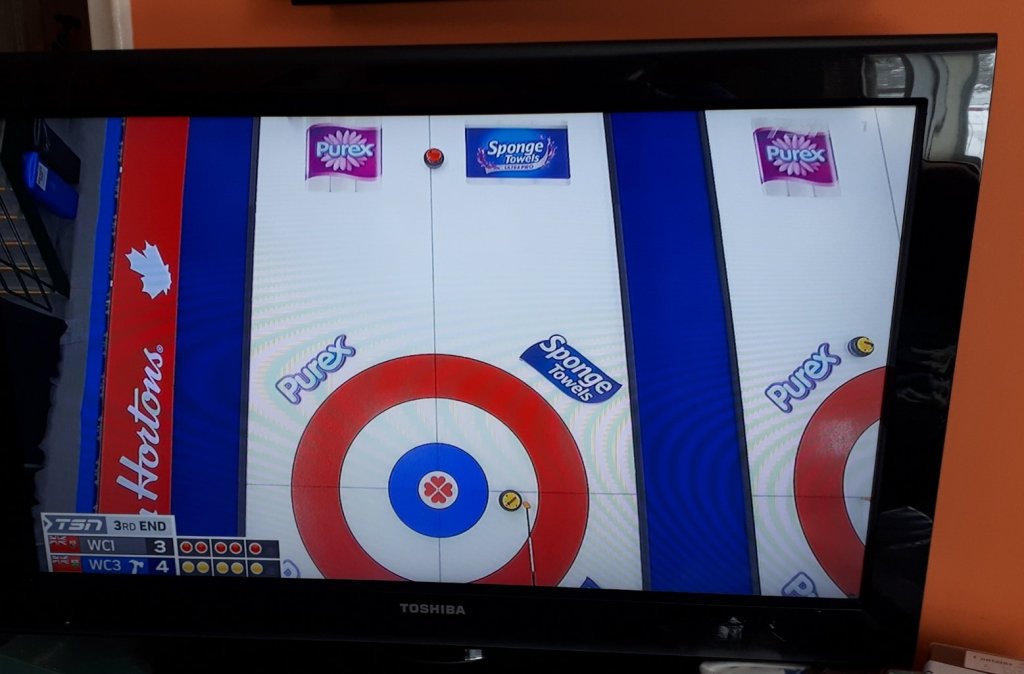
I’m enjoying some good timing. My internet is back, yay. The month without it was very weird. We got into reading which was great but because we don’t have cable, we usually stream our tv watching, very little knitting got done.

Now the Scotties (the women’s curling national championship) is on and I’m on my second Saddle Up sleeve. Is that perfect or what?! https://www.ravelry.com/patterns/library/saddle-up

I am working these sleeves slightly differently just to try something new. I’m working the sleeve decreases in the stockinette section on the underside of the sleeve instead of decreasing in the garter stitch panel on the top, as I did in the first two Saddle Up pullovers.

I worked some short rows in the garter stitch section to compensate for the different row gauge. I’m not sure I like it as much as decreasing the garter stitch panel.

The game is back on, so I have to go.

Bye, Deb

Any Gauge and Gauge-free patterns https://www.ravelry.com/stores/debgemmellmods